EN
EN

How Can a High Quality Bus Shelter Improve City Infrastructure?
Time : 2026-01-22
High Quality Bus Shelter as Sustainable Infrastructure
Low-carbon materials, solar integration, and modular construction
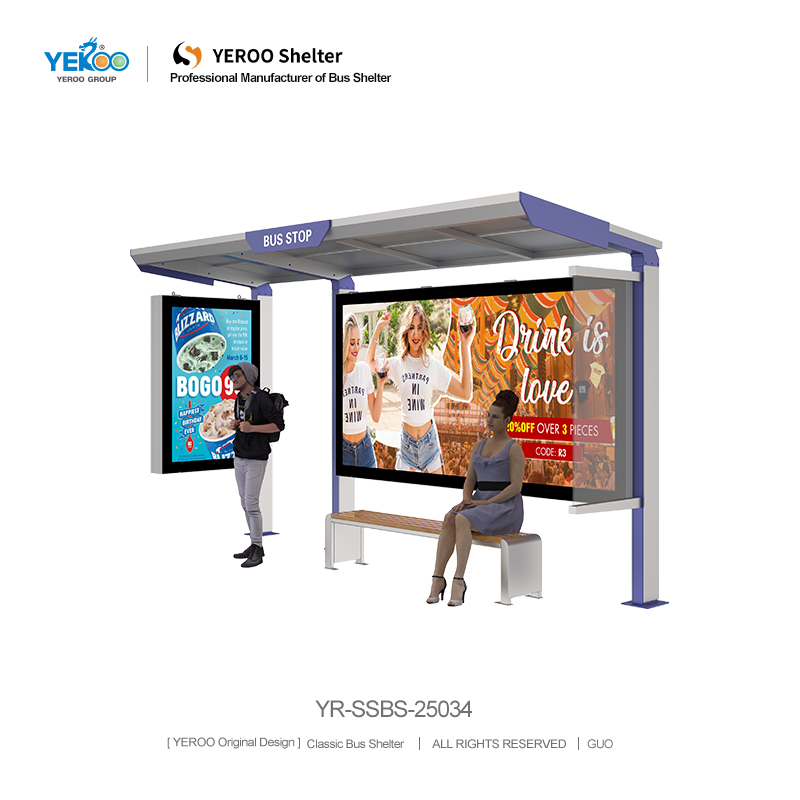
Today's better quality bus shelters are actually doing something good for the environment thanks to three main approaches they've incorporated. When manufacturers use recycled steel along with concrete that has lower carbon content, they manage to slash what's called embodied carbon by around 30 to 40 percent when compared to regular building materials according to those lifecycle studies we keep hearing about. Then there are those solar panels built right into the shelter design. These generate enough electricity to run all sorts of things like LED lights, digital screens showing arrival times, and even USB outlets for charging phones. Some real world tests have shown these can work completely off grid already. The third trick is how they're made. Standardized parts mean less waste during production and also makes putting them up at bus stops much quicker too. Instead of just sitting there doing nothing, modern shelters now produce more energy than they consume. What used to be plain old structures waiting for buses has turned into something tangible that shows cities serious about tackling climate change.
Mitigating urban heat island effect and supporting local air quality
Smart design helps fight back against those big problems cities face with heat and bad air. When we put green roofs and vertical gardens on buildings, they actually cool things down by about 3 to 5 degrees Celsius thanks to all that plant stuff evaporating water. Plus, these plants catch around 15 percent more of those tiny particles in the air compared to regular buildings. For surfaces, using materials that reflect sunlight and special composites that handle heat better makes a difference too. This cuts down on how much heat gets trapped and means we don't need so many air conditioning units for seating areas and walls. And when we hook these solutions up with solar powered monitors that track air quality and share updates with everyone, suddenly our shelters become little weather stations across the city. The result? Neighborhoods that are not just cooler places to live, but also healthier environments where people can actually breathe easier.
High Quality Bus Shelter Enhancing Commuter Experience and Equity
Universal accessibility: inclusive design for age, mobility, and sensory needs
Transit equity really starts right at the curb where people board buses. Good bus shelters should have certain basic features built into them from day one. For instance, tactile ground markers help folks who are blind or have low vision navigate safely. There are also special hearing loop systems and clear spoken announcements for people with hearing difficulties. The platform needs to be flat enough so wheelchairs can roll on smoothly without any steps higher than about half a centimeter. That makes things easier not just for wheelchair users but also parents with strollers and seniors using walkers. Most shelters need at least 1500mm of space between obstacles so various mobility devices can fit through comfortably. Clear lines of sight matter too because many older adults struggle to see clearly when getting on and off buses. These aren't just extra bells and whistles added later on they form the very foundation of what makes public transport accessible and respectful. Research shows that when cities invest in these kinds of improvements, disabled ridership goes up around 30% which means fewer people face daily hurdles simply trying to get around town.
| Accessibility Feature | User Benefit | Design Standard |
|---|---|---|
| Tactile paving | Safe pathfinding for visually impaired | ISO 23599:2019 compliant |
| Hearing loops & audio cues | Real-time info for hearing loss | 65 dB minimum clarity |
| Level boarding platforms | Wheelchair/stroller access | <5mm height differential |
Safety, weather protection, and real-time emergency response features
Safety isn't just about having somewhere to hide when things go wrong. It's also about how quickly systems respond and bounce back from problems. The motion activated LED lights shine bright enough at ground level (over 100 lux) so folks can see where they're going even after dark, which actually meets those international standards for night visibility. There are these tamper resistant emergency buttons too that connect straight to the transit security team. And don't miss the triple laminated glass panels - they stop bullets and block almost all UV rays, something really important when temperatures spike. Those real time arrival screens connected to live transit data cut down on how long people think they have to wait by around 40%, according to that Urban Mobility Index report from last year. Plus there are environmental sensors watching for bad air or dangerous situations, then sending out automatic warnings throughout the area. All this tech turns ordinary waiting spots into places that actively protect passengers instead of just sitting there doing nothing.
Smart Capabilities That Elevate High Quality Bus Shelter as Digital Infrastructure
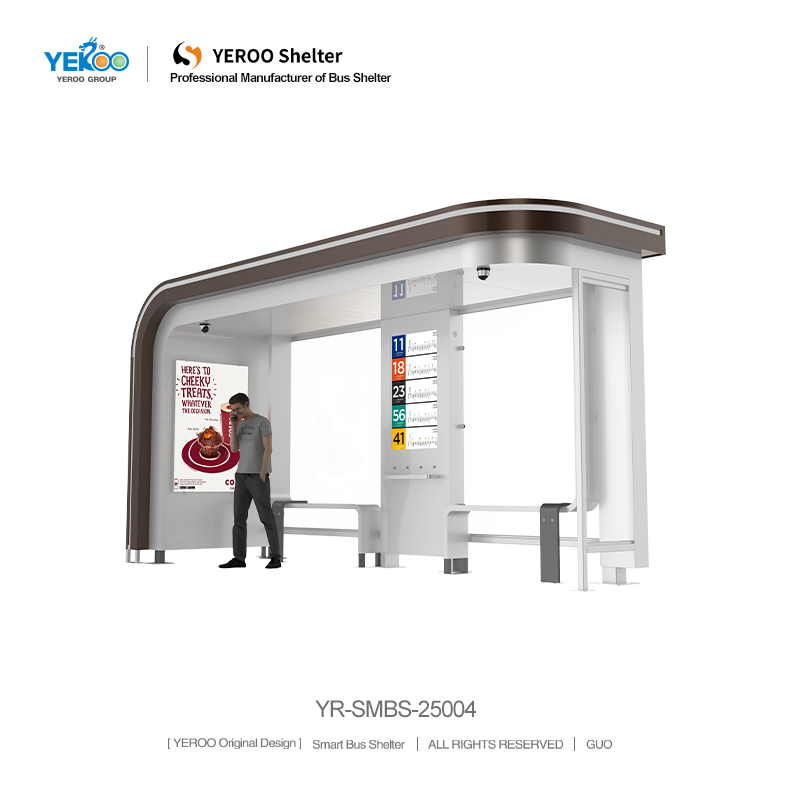
Modern bus shelters have evolved beyond simple waiting areas into smart components within the city network. When people see real time info screens showing when buses will arrive, they feel less frustrated waiting around. Many newer shelters also come equipped with free Wi-Fi access points and USB ports for charging devices, which travelers really appreciate during long waits. The shelters incorporate motion detectors that turn lights on only when someone is nearby, saving quite a bit on electricity bills over time. Some models even include solar panels mounted on top to generate their own power, helping cities reach those ambitious green goals. What makes these shelters truly valuable though is how they collect anonymous rider data through sensors and cameras. City planners can then look at this information to figure out where extra buses might be needed or adjust schedules based on actual demand rather than guesswork. These upgraded shelters aren't just convenient for passengers anymore; they actually help make public transportation systems smarter and more efficient across the board.
High Quality Bus Shelter Driving Modal Shift and Climate Goals
Evidence linking shelter quality to increased transit ridership and reduced car dependency
There's plenty of research showing that better bus shelters actually change how people get around. One study looked at 12 big cities and found that when they installed shelters that protected riders from rain and snow plus added digital displays with arrival times, passenger numbers went up between 18 and 34% on those same routes. People just felt more comfortable waiting, knew their buses were coming reliably, and didn't worry about getting soaked anymore. Cities spend a lot of time talking about transportation contributing to about 20% of all local carbon emissions according to the Urban Climate Institute report last year. So even small improvements in getting more folks to take public transit instead of driving alone cars can make a huge difference for the environment. For example, cutting down just 1% of solo car trips saves roughly 1,200 tons of CO2 each year in an average sized city. Good shelters don't work because they're fancy or newfangled. They succeed when they make taking the bus feel normal, trustworthy, and sometimes even preferable to owning another car sitting in traffic.