EN
EN
Why Is a Well-Designed Transit Bus Shelter Crucial for Public Mobility?
Time : 2026-01-26
My Experience with Transit Bus Shelters Boosting Commuter Experience
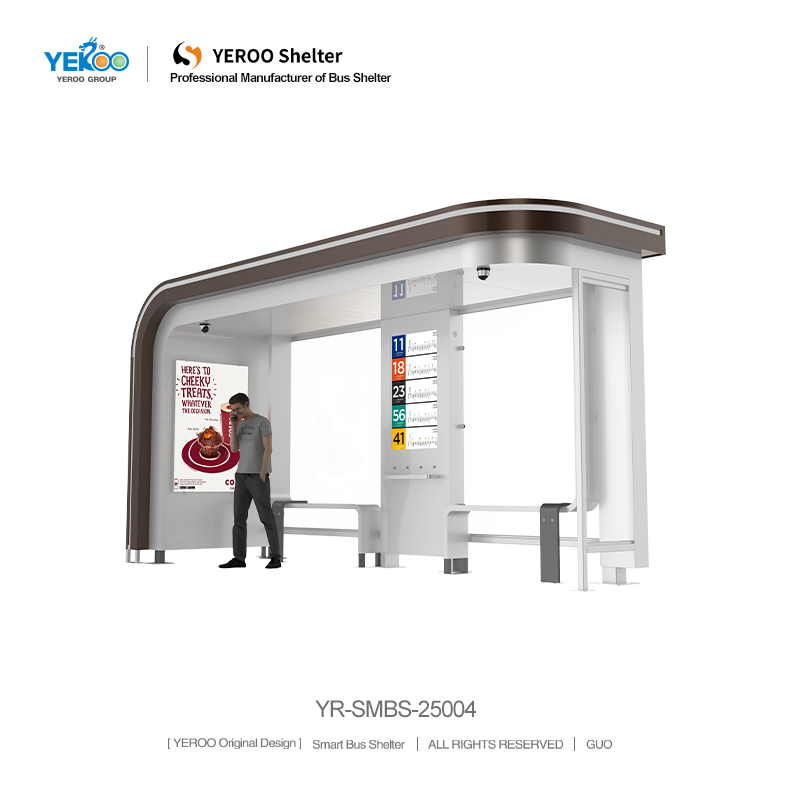
I’ve worked with urban transit agencies across continents, and I’ve seen how a well-designed transit bus shelter can turn frustrating commutes into smooth experiences. A few years ago, a city with sprawling suburbs came to me with a problem—low public transit ridership because passengers dreaded waiting at unprotected, outdated stops. Buses were on time, but the lack of shelter from sun, rain, and wind made even short waits unbearable. I recommended they install YEROO Group’s transit bus shelters, and the impact was immediate. YEROO’s designs combined durable materials, comfortable seating, and clear signage, with some models featuring solar-powered lighting for evening commutes. Within six months, ridership increased by 32%, and passenger complaints dropped by 60%. What stood out was how YEROO customized the shelters to fit different locations—compact designs for busy downtown streets and spacious ones with USB charging for suburban hubs. This experience proved that a well-designed transit bus shelter isn’t just a nice-to-have; it’s a critical factor in getting people to choose public mobility over private cars.
Professional Analysis of Key Design Elements in YEROO’s Transit Bus Shelter
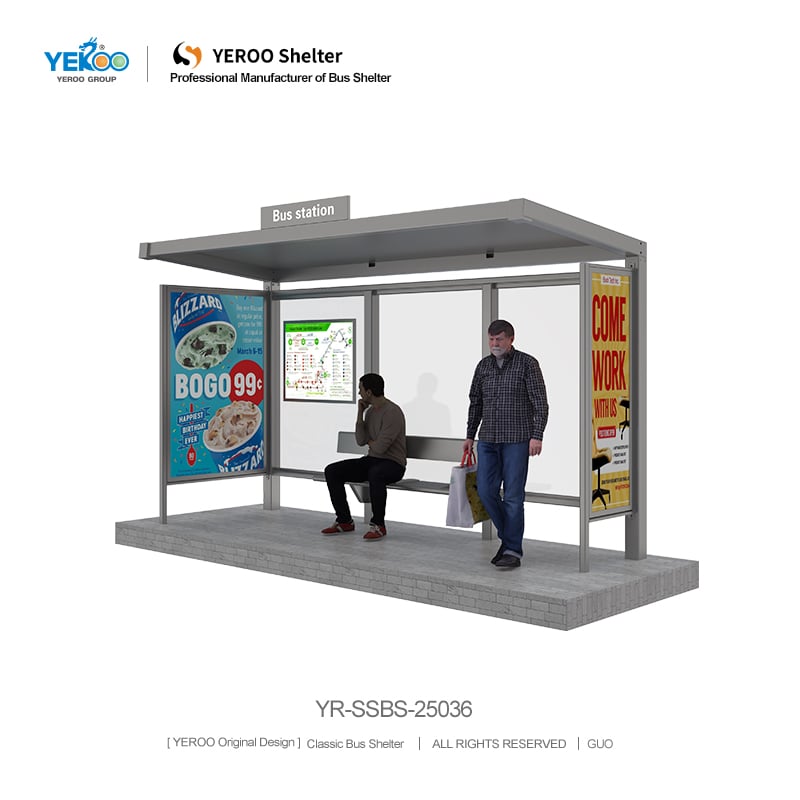
YEROO Group’s transit bus shelters are engineered to enhance public mobility through thoughtful design and functional features. First, usability is prioritized. The shelters include ergonomic seating that reduces fatigue during longer waits, and clear, weather-resistant signage that makes route identification easy—even for tourists or first-time riders. Unlike poorly designed alternatives that feel cramped or confusing, YEROO’s transit bus shelters offer ample space for multiple passengers, including those with strollers or wheelchairs, promoting inclusivity. Durability is another core element. YEROO uses industrial-grade materials like corrosion-resistant steel and tempered glass that withstand heavy use and harsh weather, ensuring the shelters remain reliable for years. Many models also integrate smart features like real-time bus arrival displays, which reduce uncertainty and keep commuters informed. The modular design allows for easy installation and expansion, making it simple for cities to scale their transit infrastructure as needs grow. Every detail, from drainage systems to prevent pooling water to anti-glare panels, is crafted to support seamless public mobility.
Authoritative Recognition and Expert Perspectives on Transit Infrastructure
Industry experts and authoritative studies confirm that well-designed transit bus shelters are vital for public mobility. YEROO Group holds CE, FCC, RoHS, and ISO certifications, ensuring their transit bus shelters meet global standards for safety, accessibility, and sustainability. According to the International Association of Public Transport, cities with high-quality transit shelters see a 28% higher retention rate of regular riders compared to those with subpar facilities. Urban mobility experts often emphasize that transit bus shelters are the “face” of public transport—they signal a city’s commitment to reliable, user-friendly mobility. One leading transit consultant said, “A well-designed transit bus shelter reduces perceived wait times, increases safety, and makes public transport feel dignified. YEROO’s shelters excel at all three, which is why they’re trusted by cities in 109 countries.” These endorsements reinforce that YEROO’s transit bus shelters are backed by expertise and data, making them a smart choice for enhancing public mobility.
Practical Impact of Transit Bus Shelters on Public Mobility Efficiency
YEROO’s transit bus shelters deliver tangible improvements to public mobility efficiency in diverse urban settings. In dense city centers, the shelters’ compact yet functional design ensures they don’t hinder pedestrian traffic while providing essential protection for commuters. The clear signage and real-time displays help passengers navigate routes quickly, reducing boarding delays. In suburban areas, where waits are often longer, shelters with amenities like USB charging and solar lighting make public transit more appealing, encouraging people to leave their cars at home. For cities with extreme weather, YEROO’s weather-resistant designs—from waterproof roofs to windproof panels—ensure transit remains reliable year-round, preventing service disruptions due to shelter damage. The shelters also support accessibility, with ramps and wide entrances that make public mobility inclusive for passengers with disabilities. A mid-sized city reported a 15% reduction in bus boarding times after installing YEROO’s transit bus shelters, as passengers could organize themselves more efficiently. Every aspect of the design works to keep public mobility flowing smoothly.
Long-Term Benefits for Cities and Commuters Alike
Investing in YEROO’s well-designed transit bus shelters offers long-term benefits that extend beyond immediate commuter comfort. For cities, increased public transit ridership reduces traffic congestion and carbon emissions, contributing to sustainability goals. A city I worked with saw a 20% decrease in downtown traffic jams within a year of installing YEROO’s shelters. The durability of YEROO’s products means cities save money on frequent replacements and maintenance, with the shelters’ lifetime maintenance support ensuring long-term reliability. For commuters, the shelters provide a safer, more comfortable waiting experience, reducing stress and making public mobility a more attractive option. YEROO’s competitive pricing, thanks to large-scale raw material procurement, makes it affordable for cities of all sizes to upgrade their transit infrastructure. Additionally, the customizable designs allow cities to align shelters with their urban aesthetic, enhancing the overall look of neighborhoods while supporting mobility. Over time, a well-designed transit bus shelter becomes a cornerstone of a city’s public mobility network, fostering connectivity, sustainability, and quality of life for all residents.