EN
EN

Why Is a Smart City Bus Shelter the Future of Urban Transport
Time : 2025-12-23
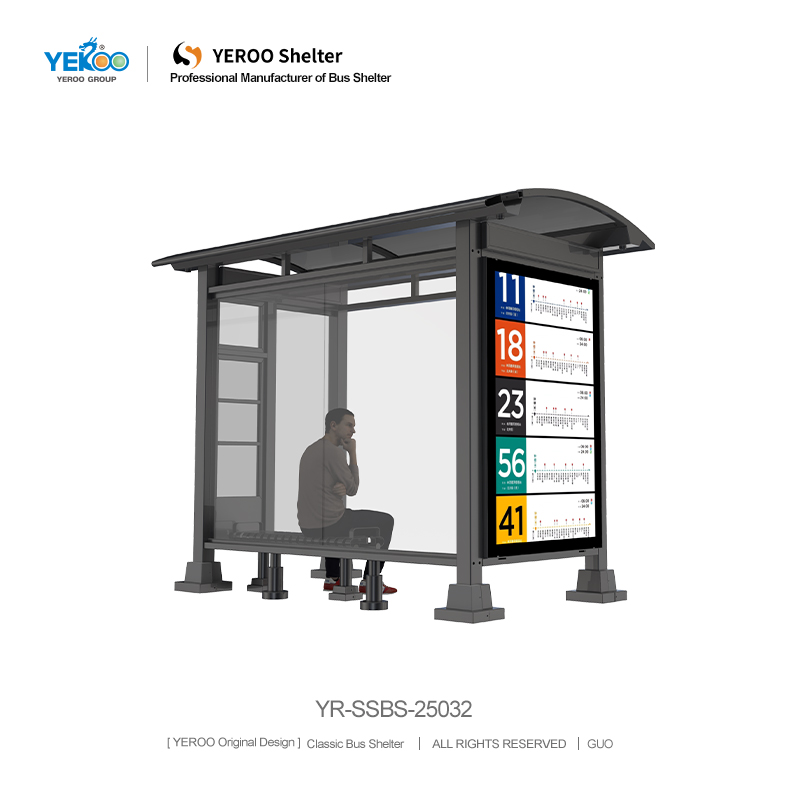
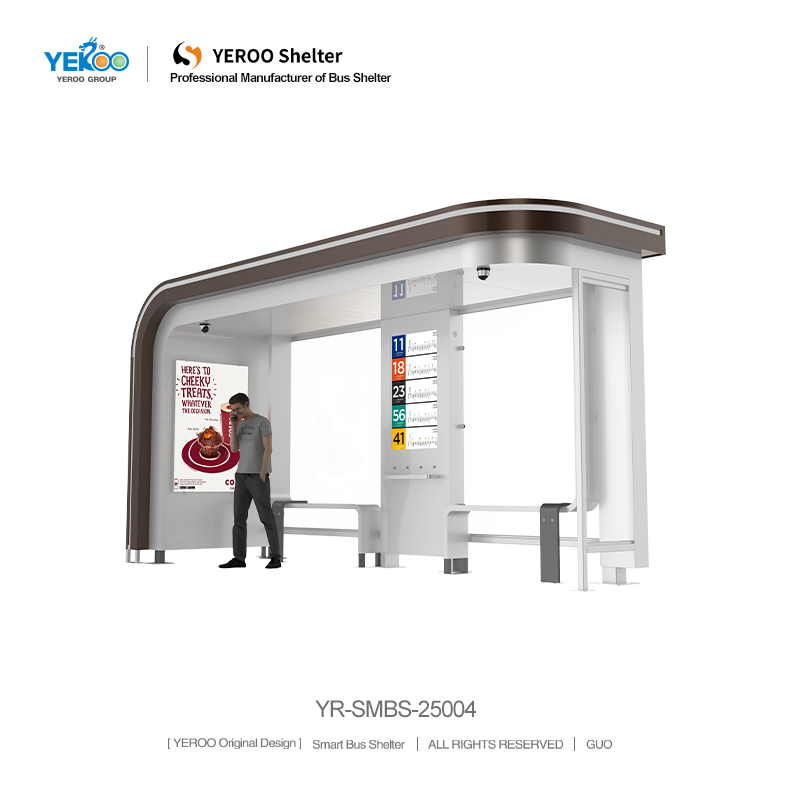
As cities grow more crowded and tech driven, urban transport is undergoing a major transformation. The smart city bus shelter has emerged as a key player in this change, offering far more than just a place to wait for buses. It integrates technology, sustainability and user centric design to solve modern transit challenges. Unlike traditional bus shelters, it connects passengers, transport systems and cities seamlessly, making commutes more efficient, safe and comfortable. It’s no surprise that the smart city bus shelter is being hailed as the future of urban transport. Let’s explore the reasons behind its growing importance.
Integrates with Smart City Ecosystems
A core reason the smart city bus shelter is the future is its ability to integrate with broader smart city systems. It acts as a data hub, collecting and sharing real time information with city transport management centers, traffic lights and other urban facilities. For example, it can send data on passenger flow to help adjust bus frequencies, reducing overcrowding and wait times. It also connects with smartphone apps, allowing passengers to receive personalized bus alerts, route suggestions and even parking information. This integration creates a cohesive transit network where every part works together to improve efficiency. As cities continue to build smart infrastructure, the smart city bus shelter will be an essential link that ties everything together.
Enhances Passenger Experience with Tech Driven Convenience
Modern commuters demand more than just basic transit services, and the smart city bus shelter delivers with tech driven convenience. Real time digital displays show accurate bus arrival times, eliminating the frustration of guessing. USB charging ports, wireless charging and free Wi Fi let passengers stay connected and power up their devices while waiting. Some advanced models feature touchscreens for looking up routes, nearby attractions or public services. Comfortable ergonomic seating, LED lighting and even air conditioning in some designs make waiting more pleasant. These small but impactful features turn tedious waits into productive or relaxing moments, making public transport more appealing to everyone from daily commuters to tourists.
Promotes Sustainability and Green Urban Living
Sustainability is a top priority for future cities, and the smart city bus shelter aligns perfectly with this goal. Most models use solar panels to generate clean energy, powering their lights, screens and other electrical components. This reduces reliance on fossil fuels and lowers carbon emissions. Energy efficient LED lighting with motion sensors saves power by only brightening when needed. The shelter’s structure often uses recycled or eco friendly materials, and its modular design makes it easy to assemble, disassemble and reuse. By minimizing environmental impact, the smart city bus shelter supports the development of green cities. It’s a practical example of how urban infrastructure can be both functional and sustainable.
Improves Transit Efficiency and Management
Cities struggle with managing transit systems efficiently, but the smart city bus shelter offers solutions that streamline operations. Its data collection capabilities provide transport authorities with valuable insights—passenger flow patterns, peak hours and popular routes. This data helps optimize bus schedules, allocate resources better and reduce traffic congestion. Remote monitoring features allow authorities to check the shelter’s status in real time, fixing issues like broken screens or faulty chargers quickly. The shelter can also send alerts about delays or route changes directly to passengers, keeping them informed and reducing confusion. With these tools, urban transport becomes more reliable and responsive to passenger needs, making it a more attractive alternative to private cars.
Enhances Urban Safety and Inclusivity
Safety and inclusivity are non negotiable for the future of urban transport, and the smart city bus shelter excels in both areas. 24/7 surveillance cameras, emergency call buttons and bright lighting create a secure environment for passengers, even at night. For vulnerable groups like the elderly, children and people with disabilities, the shelter offers accessible design—wide entrances, wheelchair friendly ramps and clear, easy to read displays. Some models include audio announcements for visually impaired passengers, ensuring no one is left out. This focus on safety and inclusivity makes public transport more welcoming to everyone, encouraging more people to use it. A transit system that prioritizes all users is key to building equitable cities.
In conclusion, the smart city bus shelter is the future of urban transport because it integrates with smart city ecosystems, enhances passenger experience, promotes sustainability, improves transit efficiency and fosters safety and inclusivity. It addresses the key challenges of modern urban transport—inefficiency, inconvenience and environmental impact—while meeting the evolving needs of commuters. As cities around the world invest in smarter, greener and more inclusive infrastructure, the smart city bus shelter will play an increasingly central role. It’s not just a bus stop but a symbol of how technology can transform urban life for the better. For anyone who wants to see cities become more livable and connected, the smart city bus shelter is a clear sign of what’s to come in the future of urban transport.