EN
EN

What Features Define an Intelligent Bus Shelter for Modern Transit
Time : 2025-12-18
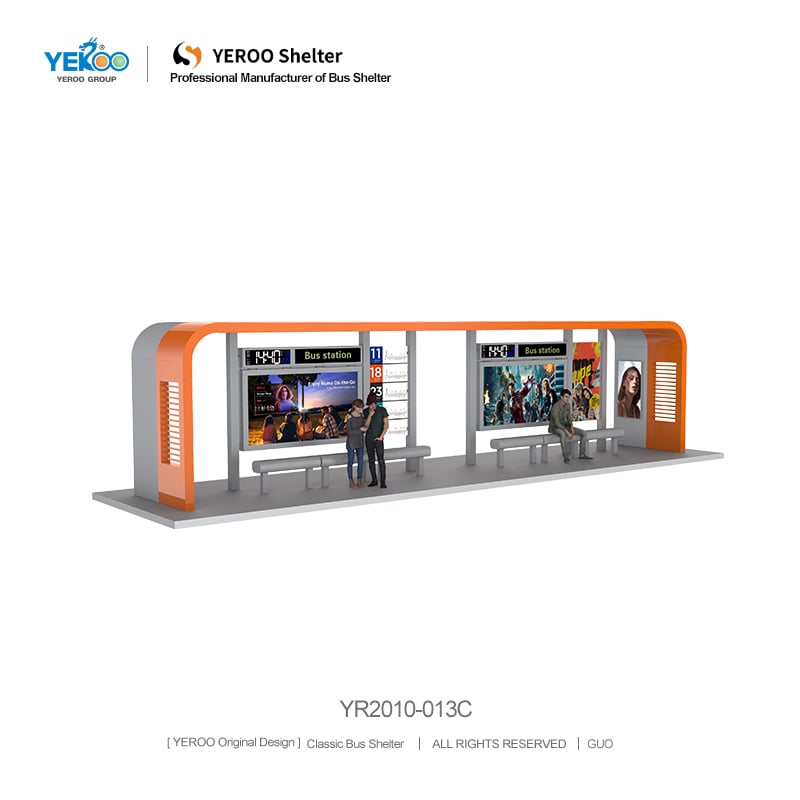
In the era of smart cities, public transit is evolving rapidly, and the intelligent bus shelter has become a key part of modern transit systems. Unlike traditional bus shelters that only offer basic shade and cover, an intelligent bus shelter integrates advanced technology to meet the diverse needs of passengers. It’s not just a place to wait for the bus but a smart hub that enhances convenience, safety and comfort. For modern transit, certain core features set a truly intelligent bus shelter apart. Let’s explore what makes an intelligent bus shelter stand out in today’s urban landscape.
Real Time Information Display System
A fundamental feature of an intelligent bus shelter is its real time information display system. Passengers no longer have to guess when the next bus will arrive—large, clear digital screens show accurate arrival times, route changes and traffic updates. These screens are designed to be visible even in bright sunlight or dark nights, with adjustable brightness for easy reading. Some intelligent bus shelters also provide additional useful information like weather forecasts, local news and public service announcements. This transparency eliminates the anxiety of waiting and helps passengers plan their journeys better. Whether you’re in a hurry to get to work or exploring the city as a tourist, the real time updates make commuting more predictable and efficient.
Smart Energy Saving Solutions
Sustainability is a key focus of modern transit, and an intelligent bus shelter incorporates smart energy saving features. Most models use solar panels installed on the roof to harness renewable energy, powering the information screens, lighting and other electrical components. This reduces reliance on traditional power sources and lowers carbon emissions. The shelter also uses energy efficient LED lights with motion sensors—they automatically brighten when someone enters and dim when the area is empty, saving energy without compromising safety. Additionally, the structure is often designed with insulation materials to maintain internal temperature, reducing the need for excessive heating or cooling. These energy saving features make the intelligent bus shelter an eco friendly choice that aligns with the goals of green cities.
Enhanced Safety and Security Measures
Safety is non negotiable for public transit facilities, and an intelligent bus shelter is equipped with enhanced safety features. High definition surveillance cameras monitor the area 24/7, deterring potential crimes and providing evidence if incidents occur. Emergency call buttons are installed for passengers to seek help quickly in case of emergencies, connecting them directly to local authorities or transit control centers. The shelter’s lighting system ensures the waiting area is brightly lit at night, eliminating dark corners that could pose risks. Some intelligent bus shelters also have smoke detectors and fire extinguishers for added protection. These features create a safe environment, giving passengers peace of mind whether they’re waiting during rush hour or late at night.
Interactive and Convenient Amenities
To meet the modern needs of passengers, an intelligent bus shelter offers a range of interactive and convenient amenities. USB charging ports and wireless charging pads allow passengers to power up their phones and other devices while waiting—no more worrying about dead batteries during commutes. Many shelters also provide free Wi Fi, enabling passengers to browse the internet, check emails or stream content to pass the time. Some advanced models even have touch screen interfaces where passengers can look up route maps, nearby attractions or public service information. Comfortable seating with ergonomic design is another common feature, making long waits more bearable. These small but thoughtful amenities turn the intelligent bus shelter into a user friendly space that caters to modern lifestyles.
Remote Monitoring and Management Capabilities
A key feature that defines an intelligent bus shelter for modern transit is its remote monitoring and management system. Transit authorities can keep track of the shelter’s status in real time through a centralized platform. They can monitor equipment performance, check energy usage and detect malfunctions like broken screens or faulty charging ports immediately. If an issue arises, maintenance teams can be dispatched promptly to fix it, ensuring the shelter remains fully functional. This remote management capability also allows authorities to update information displays, adjust lighting or modify settings without needing to be on site. It streamlines operations, reduces maintenance costs and ensures that the intelligent bus shelter consistently provides high quality service to passengers.
In conclusion, an intelligent bus shelter for modern transit is defined by its real time information display, smart energy saving solutions, enhanced safety measures, interactive amenities and remote management capabilities. These features work together to create a space that is convenient, safe, comfortable and sustainable—meeting the evolving needs of today’s commuters. As cities continue to invest in smart transit, the intelligent bus shelter will play an increasingly important role in connecting people and improving urban mobility. It’s more than just a bus stop—it’s a symbol of how technology can transform public spaces into more efficient and user centric environments. For modern transit systems aiming to provide exceptional service, these core features are essential to building a truly intelligent bus shelter.