EN
EN

How Does a Bus Stop Shelter with Air Condition Improve Passenger Comfort
Time : 2025-12-15
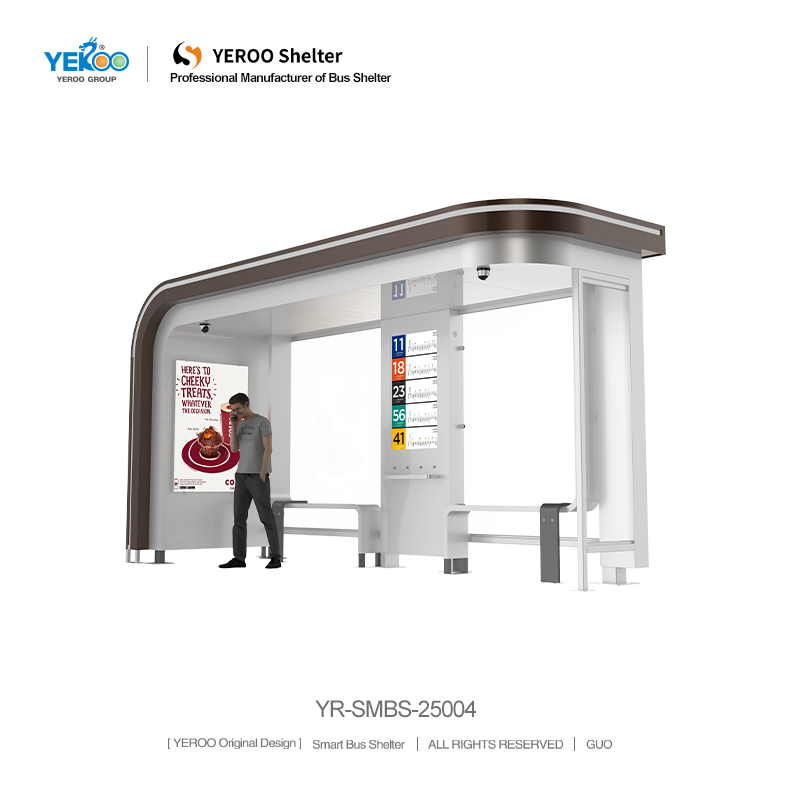
Waiting for a bus in extreme weather can be a real hassle, especially when it’s scorching hot or freezing cold. But a bus stop shelter with air condition is changing the game, turning uncomfortable waits into a pleasant experience. Unlike traditional bus shelters that only offer basic shade or cover, this modern facility uses air conditioning to regulate the temperature inside, creating a cozy space for passengers. Whether it’s the sweltering summer heat or bitter winter cold, a bus stop shelter with air condition keeps the environment just right. Let’s explore how it enhances passenger comfort in every way.
Maintains Optimal Temperature in All Seasons
The most obvious benefit of a bus stop shelter with air condition is its ability to keep the temperature comfortable year round. In summer, when the sun beats down and temperatures soar, the air conditioning system cools the shelter quickly, providing a refreshing escape from the heat. No more sweating through clothes or feeling dizzy from the swelter while waiting for the bus. In winter, the same system switches to heating mode, warming up the shelter and protecting passengers from the cold. The temperature is kept at a comfortable level, not too hot or too cold, so passengers can wait in peace regardless of the weather outside. This consistent comfort makes every commute more bearable, no matter the season.
Reduces Discomfort from Humidity and Stuffiness
Extreme weather often comes with high humidity or stuffiness, which can make waiting for a bus even more unpleasant. A bus stop shelter with air condition solves this by controlling both temperature and humidity. In humid areas, the air conditioning system removes excess moisture from the air, preventing that sticky, clammy feeling. It also circulates fresh air regularly, getting rid of stuffiness and ensuring good ventilation inside the shelter. Passengers no longer have to deal with stagnant air or the smell of sweat and exhaust fumes. Instead, they can breathe clean, fresh air while waiting, making the experience much more enjoyable.
Provides a Relaxing Space to Unwind
Waiting for a bus can be stressful, especially during rush hour or when running late. But a bus stop shelter with air condition offers a calm, relaxing space to unwind. The comfortable temperature and quiet environment help reduce anxiety and stress, allowing passengers to take a moment to relax before their journey. Some shelters even come with comfortable seating, adding to the sense of relaxation. Whether you’re reading a book, checking your phone, or just resting, the shelter becomes a peaceful retreat from the chaos of the city. This mental comfort is just as important as physical comfort, making the overall commute experience more positive.
Protects Against Health Risks from Extreme Temperatures
Extreme heat or cold doesn’t just cause discomfort—it can also pose health risks, especially for vulnerable groups like the elderly, children, and people with health conditions. A bus stop shelter with air condition provides a safe haven, protecting passengers from heatstroke in summer and hypothermia in winter. The controlled temperature reduces the risk of dizziness, fatigue, and other health issues caused by extreme weather. For passengers with respiratory problems or allergies, the filtered air from the air conditioning system also helps remove dust, pollen, and other irritants, making it easier to breathe. This health protection adds an extra layer of comfort, giving passengers peace of mind while they wait.
Enhances Accessibility and Inclusivity
A truly comfortable bus stop shelter should be accessible and inclusive for all passengers, and a bus stop shelter with air condition delivers on that. The comfortable temperature and well ventilated space benefit everyone, regardless of age or physical ability. Elderly passengers no longer have to struggle with the heat or cold, while parents with young children can keep their little ones comfortable during waits. People with disabilities or chronic illnesses also benefit from the stable, comfortable environment, which reduces the strain on their bodies. The shelter’s design often includes wide entrances and comfortable seating, making it easy for everyone to use. This inclusivity ensures that every passenger can enjoy a comfortable waiting experience, no matter their circumstances.
In conclusion, a bus stop shelter with air condition improves passenger comfort by maintaining optimal temperatures, reducing humidity and stuffiness, providing a relaxing space, protecting against health risks, and enhancing accessibility. It addresses the key issues that make waiting for a bus uncomfortable, turning a necessary part of commuting into a pleasant interlude. For cities looking to improve public transit and enhance passenger satisfaction, investing in bus stop shelters with air condition is a smart choice. It shows a commitment to passenger well being and makes public transit a more attractive option for everyone. Whether you’re a daily commuter, a tourist, or someone running errands, a bus stop shelter with air condition ensures that you can wait for your bus in comfort and style.