EN
EN

Why Is a Waterproof Bus Shelter Critical for Rainy Regions
Time : 2025-12-10
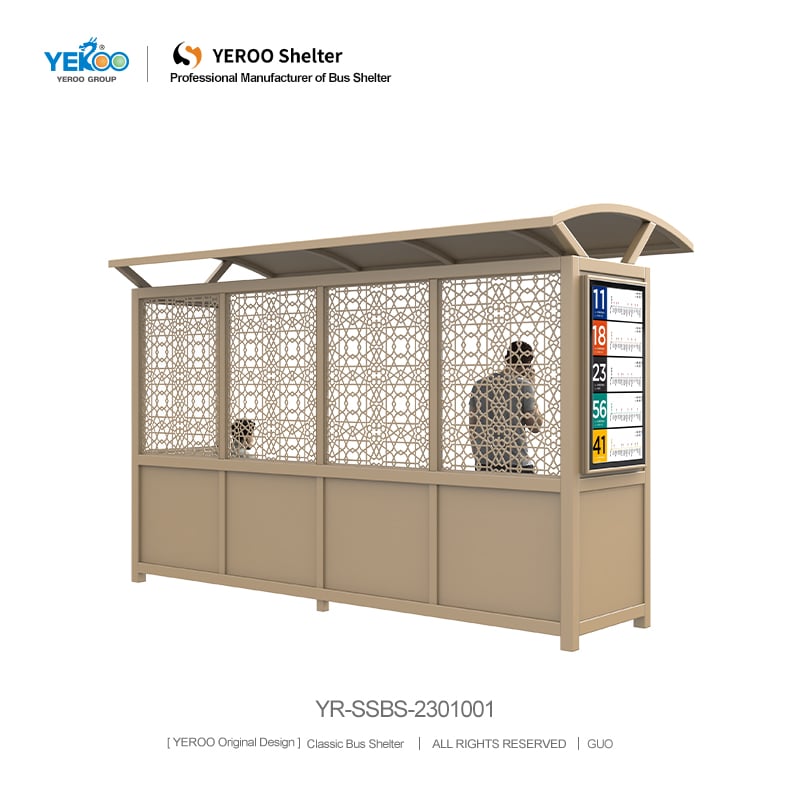
In rainy regions, frequent downpours and high humidity can make daily commuting a hassle. A waterproof bus shelter stands out as a vital urban facility that solves many rain related problems for commuters. Unlike ordinary bus shelters that may leak or accumulate water, a high quality waterproof bus shelter is designed to keep the waiting area dry and comfortable even during heavy rains. It’s not just a simple shelter but a reliable protection that enhances commuting safety and experience. Let’s explore why a waterproof bus shelter is so critical for areas with frequent rainfall.
Keeps Commuters Dry and Comfortable
The most direct benefit of a waterproof bus shelter is keeping commuters dry during rain. Its well designed structure with waterproof materials and tight seals prevents rainwater from seeping in. The roof is sloped to guide rainwater away quickly, avoiding pooling that could lead to leaks. The walls and windows are made of water resistant materials that block raindrops from splashing into the waiting area. No more huddling under a small umbrella or getting wet from leaking roofs while waiting for the bus. Commuters can stand comfortably inside, keeping their clothes, bags and electronic devices dry. This comfort makes rainy day commutes less stressful and more bearable.
Protects Commuters’ Safety in Wet Conditions
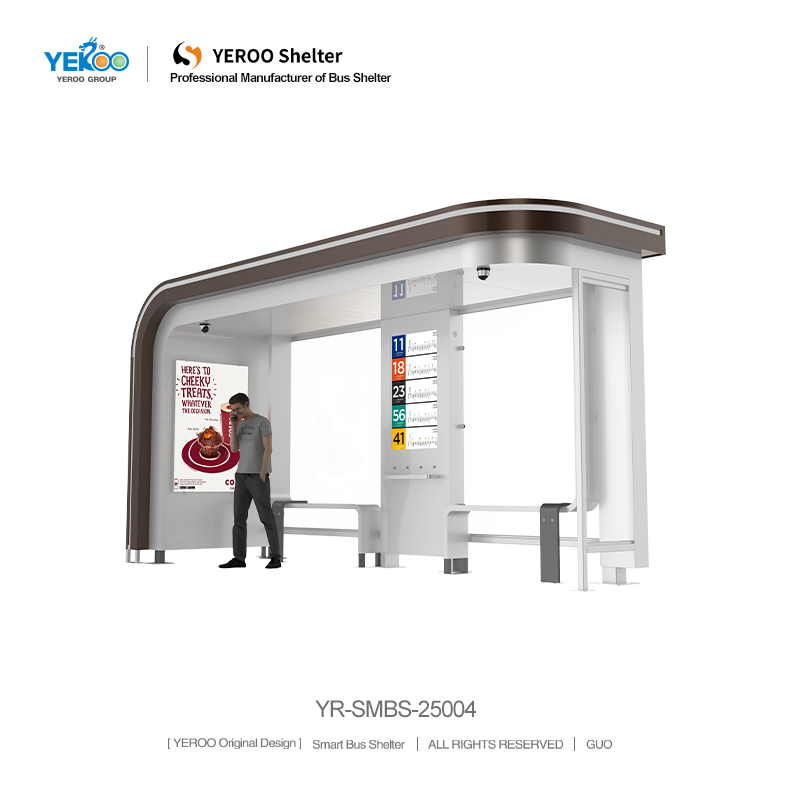
Rainy weather often brings slippery surfaces and reduced visibility, increasing safety risks for commuters. A waterproof bus shelter plays a key role in ensuring safety. By keeping the waiting area dry, it eliminates slippery floors that could cause falls. The dry space also provides a stable area for commuters to stand or sit, especially for the elderly, children and people with mobility issues. Additionally, waterproof materials prevent electrical components in smart bus shelters such as digital screens and charging ports from getting wet, avoiding short circuits or electric shocks. In heavy rain, the shelter also acts as a safe haven, protecting commuters from being caught in dangerous downpours or flash floods.
Extends the Service Life of the Bus Shelter
Rain and humidity can be damaging to ordinary bus shelters, causing rust, rot and material degradation over time. A waterproof bus shelter is built with durable, water resistant materials that resist corrosion and moisture damage. The steel structures are treated with anti rust coatings, and the external panels are made of materials that won’t warp or decay when exposed to rain. Tight seals and waterproof membranes prevent water from seeping into the internal structure, protecting components like frames and electrical systems. This resistance to water damage means the waterproof bus shelter requires less maintenance and has a longer service life compared to non waterproof ones. For cities in rainy regions, this translates to lower replacement costs and more sustainable urban infrastructure.
Maintains Functionality of Smart Features
Modern bus shelters are often equipped with smart features like digital information screens, USB charging ports and surveillance cameras. These components are sensitive to water and can malfunction if exposed to rain. A waterproof bus shelter ensures these smart features keep working even in heavy rain. The waterproof design covers all electrical parts, with sealed casings and water resistant connections that prevent moisture from entering. Commuters can still check real time bus updates on digital screens, charge their phones and feel safe with working surveillance cameras during rain. This uninterrupted functionality makes the waterproof bus shelter a reliable part of the urban transit system, regardless of the weather.
Enhances Urban Livability and Satisfaction
In rainy regions, the quality of public facilities directly impacts urban livability. A waterproof bus shelter shows a city’s attention to commuters’ needs, improving overall satisfaction. It turns a miserable rainy day wait into a comfortable experience, making public transit more appealing. For tourists visiting rainy areas, a reliable waterproof bus shelter also leaves a positive impression of the city’s infrastructure. Additionally, the durable and well maintained appearance of a waterproof bus shelter enhances the urban landscape. Unlike ordinary shelters that may look shabby due to water damage, a waterproof bus shelter remains in good condition, contributing to a cleaner and more attractive city environment.
In conclusion, a waterproof bus shelter is critical for rainy regions due to its ability to keep commuters dry and safe, extend the shelter’s service life, maintain smart feature functionality and enhance urban livability. It addresses the unique challenges of rainy weather, providing a reliable and comfortable waiting space for commuters. Investing in high quality waterproof bus shelters is a wise decision for cities in rainy regions, as it improves the commuting experience, reduces maintenance costs and builds a more user friendly urban environment. For anyone who commutes in rainy areas, a waterproof bus shelter is not just a convenience but a necessary protection that makes daily travel safer and more pleasant.