EN
EN

Why Is a Vandal Proof Bus Shelter Essential for Public Transport Safety
Time : 2026-01-18
The Rising Impact of Vandalism on Public Transport Safety
Escalating Anti-Social Behaviour at Bus Stops and Its Safety Consequences
Transit hubs have become hotspots for vandalism these days. We're talking about everything from graffiti covering walls to broken glass scattered across platforms and even instances of arson. Bus stops that were once safe places now pose real dangers. When shelters get damaged, people waiting for transportation are left exposed to rain, snow, or intense sun. At night, poor visibility becomes a serious problem too, making accidents much more likely. The impact goes deeper than just physical damage though. Communities where this happens regularly tend to feel less secure overall. According to the Urban Transit Safety Report from 2024, neighborhoods dealing with constant vandalism show about 30% greater feelings of insecurity among residents. And let's not forget the money aspect either. Public transport authorities typically shell out around $740,000 each year just fixing up what gets destroyed (Ponemon Institute, 2023). That kind of spending takes away resources that could go toward actually improving safety measures instead of constantly playing catch-up with repairs.
How Damaged Infrastructure Compromises Passenger Security and Service Reliability
Damaged bus shelters are a real danger to both passengers and regular service operations. Broken windows and wobbly frames can lead to injuries, while faded signs or missing markers slow down the boarding process and create overcrowding situations that we all know increase fall risks. When shelters aren't functional anymore, people end up standing dangerously close to moving traffic, which creates even bigger safety issues for everyone involved. According to recent data from the Urban Transit Safety Report released last year, around two thirds of commuters simply skip stops that look run down once it gets dark outside. The problems keep getting worse too. Late buses put extra pressure on drivers already working long shifts. Constant shelter closures make riders lose trust in the whole system. And when fewer people ride public transport, there's less money coming in to justify needed upgrades across the network. That's why investing in specially designed shelters that resist vandalism makes such good sense. These structures provide lasting protection against damage and help maintain consistent service levels without constant repairs and disruptions.
How a Vandal Proof Bus Shelter Enhances Safety, Deterrence, and Trust
Deterrence Through Design: Preventing Damage Before It Occurs
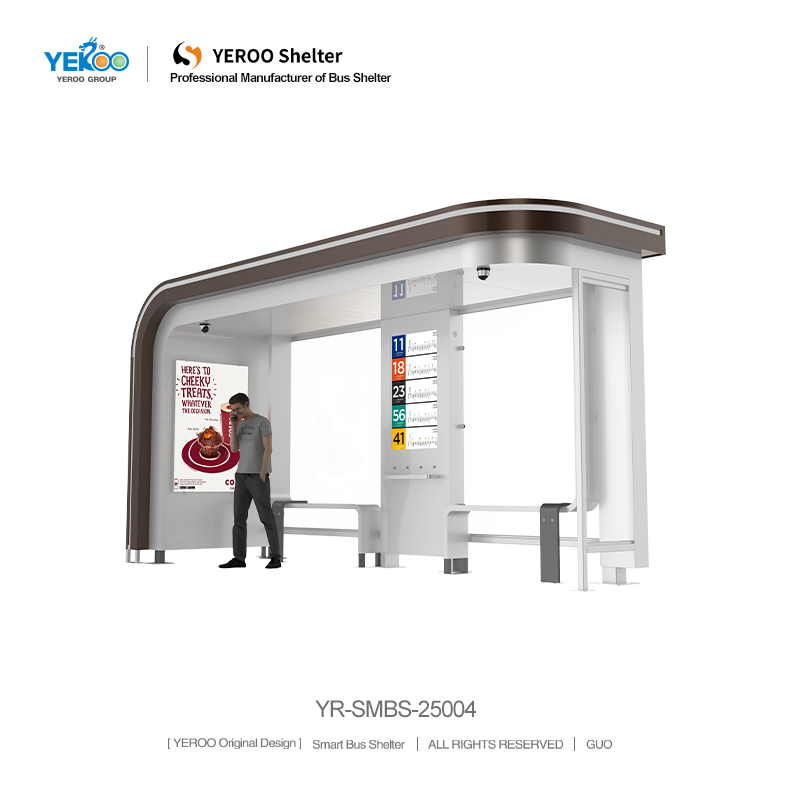
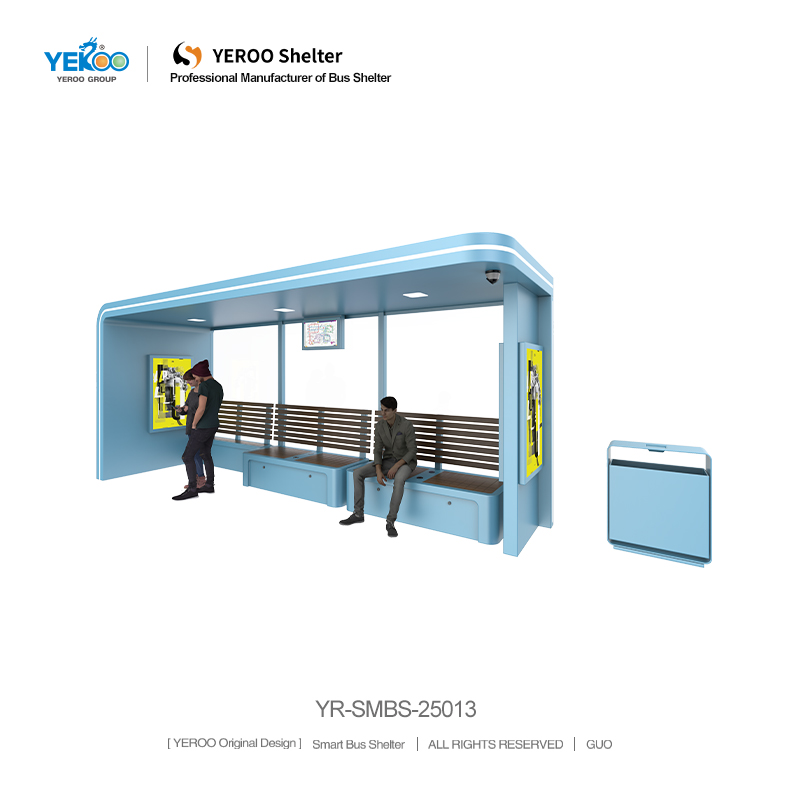
Bus shelters designed to resist vandals incorporate smart engineering solutions that stop damage before it starts happening. These shelters typically feature tough laminated glass that won't shatter easily, plus sturdy steel frames built to take hits without breaking. Fixtures are also secured with special bolts that can't be removed easily and welds hidden from view so nobody can just pull parts off. The surfaces are angled and smooth, making it harder for graffiti to stick and easier for city workers to clean when someone tries anyway. Cities across the country have seen maintenance bills drop around 40% after installing these kinds of shelters, plus there's fewer danger zones where broken glass could hurt people. When potential vandals see how much work it would take to damage one of these shelters, they usually just walk away. This approach creates safer public spaces where durability becomes part of the design rather than something added later as an afterthought.
Restoring Public Confidence in Safe, Reliable, and Well-Maintained Transit Hubs
When infrastructure gets regular upkeep, people start to notice that someone actually cares about maintaining public spaces. Shelters that aren't broken down and have clear views across the platform tend to keep troublemakers away while giving passengers peace of mind, particularly after dark when most folks don't want to be stuck outside alone. According to recent data from transit agencies, places with good quality shelters see almost 60% better safety ratings from riders (Urban Transit Safety Report 2024). The thing is, when these facilities work consistently without getting shut down because of damage, commuters begin trusting the system more. Reliable service makes sense for everyone wanting to use public transport regularly. What was once just an empty spot between stops becomes something worth waiting for – a safe place where dignity meets necessity in our cities.
Key Engineering Features That Define a True Vandal Proof Bus Shelter
Toughened Glass, Reinforced Steel Frames, and Tamper-Resistant Fixings
Bus shelters that stand up to vandals need both smart materials and solid engineering work together. The toughened glass used is actually about five times stronger than regular glass, and when it does break, it shatters into small pebbles instead of dangerous shards. Steel frames are built with at least 4mm thickness and coated against rust so they won't bend easily or get cut apart. Fixings like shear head bolts and hidden welds stop people from trying to take parts off quickly. These design choices mean that even if someone tries to damage the shelter, it takes much longer and draws attention, which discourages most would-be vandals. All these features combined help keep public transport infrastructure safe and functional despite daily wear and tear.
FAQ Section
Why are bus shelters important for public transport safety?
Bus shelters provide protection from weather elements, improve visibility at night, and enhance passenger comfort, which contributes to safer transit environments.
What measures can prevent vandalism at bus stops?
Investing in vandal-proof shelters with toughened glass, reinforced steel frames, and tamper-resistant fixings can deter vandalism effectively.
How does vandalism impact community perceptions of safety?
Communities experiencing frequent vandalism tend to feel less secure. Such incidents can lead to reduced trust in public transport services.