EN
EN

What Are the Key Benefits of an Integrated Bus Station Shelter?
Time : 2026-01-19
Improved Passenger Comfort and Experience with Integrated Bus Station Shelter Systems
Climate-Resilient Design: Thermal Regulation and All-Weather Protection
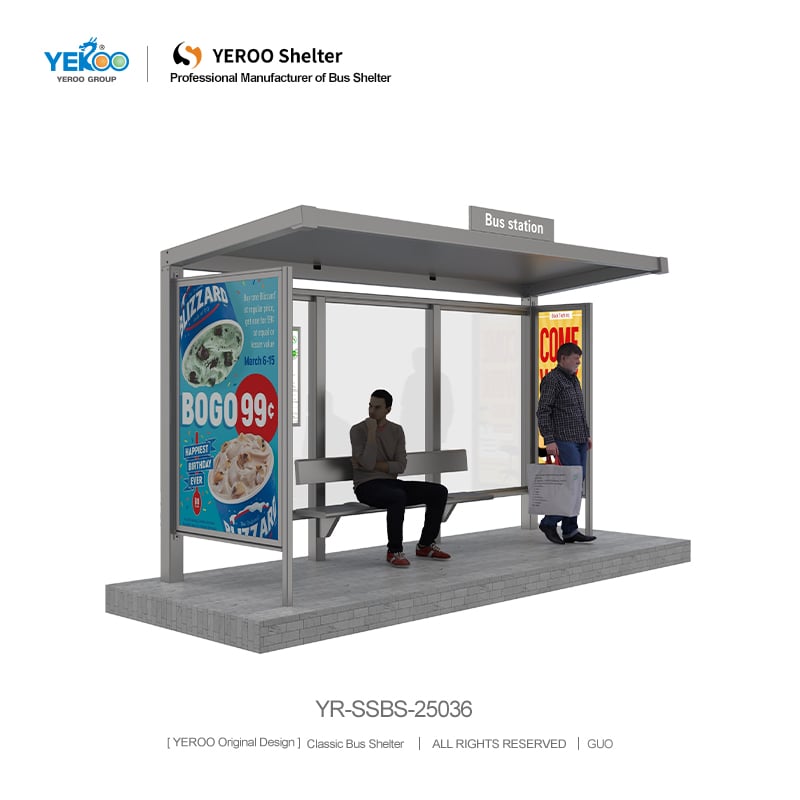
Modern bus stop shelters are built with special materials and smart design to keep people comfortable no matter what season it is outside. The roof panels have insulation and special coatings that reflect sunlight, which can make the inside feel about 15 degrees cooler on hot days but still warm enough when it gets cold. The canopies slope at just the right angle to keep rain off passengers waiting for their ride, plus there are barriers on the sides to block wind during storms. These areas stay dry thanks to good drainage systems that stop water from pooling around the shelter. Clear walls made of polycarbonate let in plenty of natural light throughout the day while still protecting against bad weather. For many riders, especially older folks, kids, and anyone who might be sensitive to temperature changes, these improvements make a big difference. Cities report that shelters with these thermal features get about two thirds fewer complaints about uncomfortable weather conditions than regular shelters do.
Acoustic Optimization and Ergonomic Layout Enhancing Wait-Time Perception
When waiting areas are designed with sound control in mind and layouts that actually consider what humans need, people just seem to tolerate the wait better. Those special panels on the ceiling and walls cut down street noise somewhere around 12 to maybe even 18 decibels, which creates a much quieter space where folks don't notice time passing so fast anymore. About 30% faster perception of time passing has been observed in these settings. The seats are built with proper back support and come in different heights too, so they work for almost everyone regardless of their size or mobility issues. Flooring that doesn't make your legs ache helps those who have to stand throughout their wait. Clear glass panels let riders see exactly when their bus is coming without any surprises popping up suddenly. A recent study by the Urban Mobility Institute showed that combining good acoustics with smart space planning can make waiting periods feel about 40% shorter than normal. Plus, being able to see clearly around makes most people feel safer overall.
Inclusive User Journey: Seamless Integration from Sidewalk to Boarding Zone
Accessibility isn't just about getting inside the shelter building, it's really about making sure everyone can move through their whole trip without problems. The pathways need to be flat all the way from the sidewalk to the platform so nobody trips over steps. For folks who are deaf or hard of hearing, having those real-time announcements both spoken aloud and shown on screens makes a big difference. And those surfaces should be grippy enough to prevent slips, plus brightly lit so people know where they're going, especially important for wheelchair users, parents with baby strollers, or anyone dragging suitcases around. Clear lines of sight throughout the area also help people navigate better and feel more comfortable while moving around. When we design transit systems this way, we're not just opening doors for disabled individuals, we're creating transportation that works smoothly and respectfully for every member of our community.
Enhanced Safety and Security Through Integrated Bus Station Shelter Infrastructure
Integrated shelters transform waiting zones from passive spaces into proactive safety assets—leveraging evidence-based design to reduce both physical risk and psychological vulnerability.
Risk Reduction in Waiting Zones: Data-Driven Insights from UITP and Municipal Reports
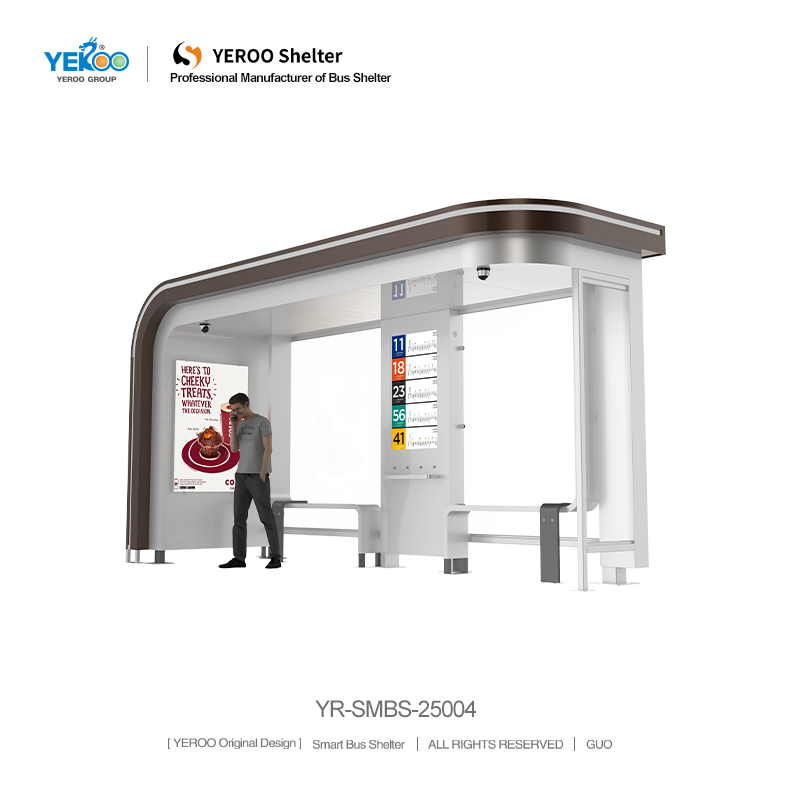
Looking at city safety records, we find that shelters designed with better layouts can cut down slip and fall accidents by around 27% when it's wet outside. This improvement comes from better crowd control and smoother movement through the space. According to UITP folks who study public transport, good spatial design helps avoid traffic jams and lets people spread out naturally. When real-time info screens get built right into shelter structures, folks in 12 European cities report feeling like they wait 19% less time than before. Less waiting means less frustration overall. Glass and clear materials are another smart choice because they let everyone see what's going on. This visibility keeps troublemakers away and makes it easier for help to arrive quickly if needed. All these little changes turn ordinary waiting spots into safer places where people actually feel secure.
Integrated Safety Features: Uniform LED Lighting, Anti-Slip Surfaces, and Unobstructed Sightlines
Modern shelter safety relies on three interlocking, passive systems:
- Uniform LED lighting, delivering consistent 360° illumination to eliminate dark corners and reduce nighttime trip hazards by 33% (Urban Mobility Institute, 2023)
- Non-slip textured flooring, rated above ISO 10545-13 for wet and icy conditions, ensuring reliable traction year-round
- Unobstructed sightlines, enabled by frameless glazing and open structural design, allowing passengers to monitor approaching buses and surrounding activity
This layered approach delivers continuous, human-centered security — where lighting deters opportunistic crime, slip-resistant surfaces prevent injury, and panoramic visibility supports situational awareness — all without requiring active oversight.